



Kapat
Application Request

Ventilation Installations

Services

Ventilation installations are a very important engineering application for improving air quality in closed areas, controlling temperature and humidity, and also for the healthy and comfortable use of interior spaces.

EV Charging Services

Ventilation, the Source of Your Energy!

Ventilation systems are located in various structures, especially industrial facilities, office buildings, shopping malls, hospitals and residences. These installations serve a number of purposes such as protecting people's health, ensuring energy efficiency and improving indoor air quality.

Ventilation installations have a very important place in the field of engineering. They are vital in terms of both improving the quality of life and ensuring energy efficiency. A well-designed ventilation system plays a critical role in terms of health, comfort and efficiency. Therefore, correct engineering calculations and designs should be made to determine a ventilation solution that suits the requirements of each project.

Peace of mind with SWTCH Care<sup>TM</sup>

Improvement of Air Quality: Reducing air pollution in closed areas, increasing oxygen levels and ensuring that harmful gases (carbon dioxide, carbon monoxide, etc.) are expelled.

Temperature and Humidity Control: Ensuring heat balance in interior spaces, removing excess humidity or meeting humidity needs. These factors are very important, especially in industrial environments, to prevent damage to sensitive equipment.

Comfort and Efficiency: Good ventilation can increase employee productivity and improve overall comfort. This means reducing labor costs.

Air Flow Rate and Amount: The required air flow rate is determined according to the size of the building and its intended use. This is calculated according to the dimensions of the rooms, the equipment to be used, the density of the person and the air quality in the space.

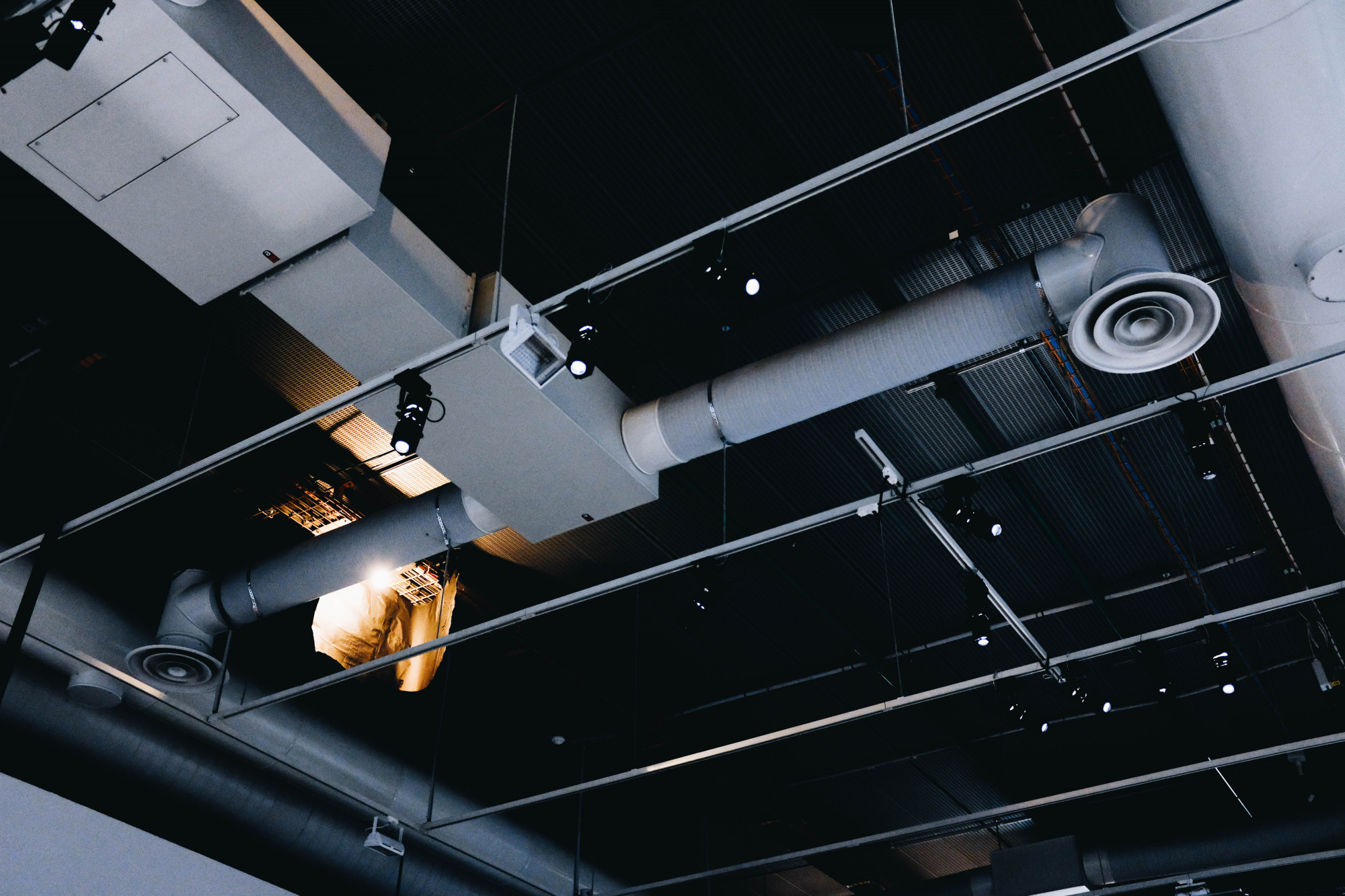
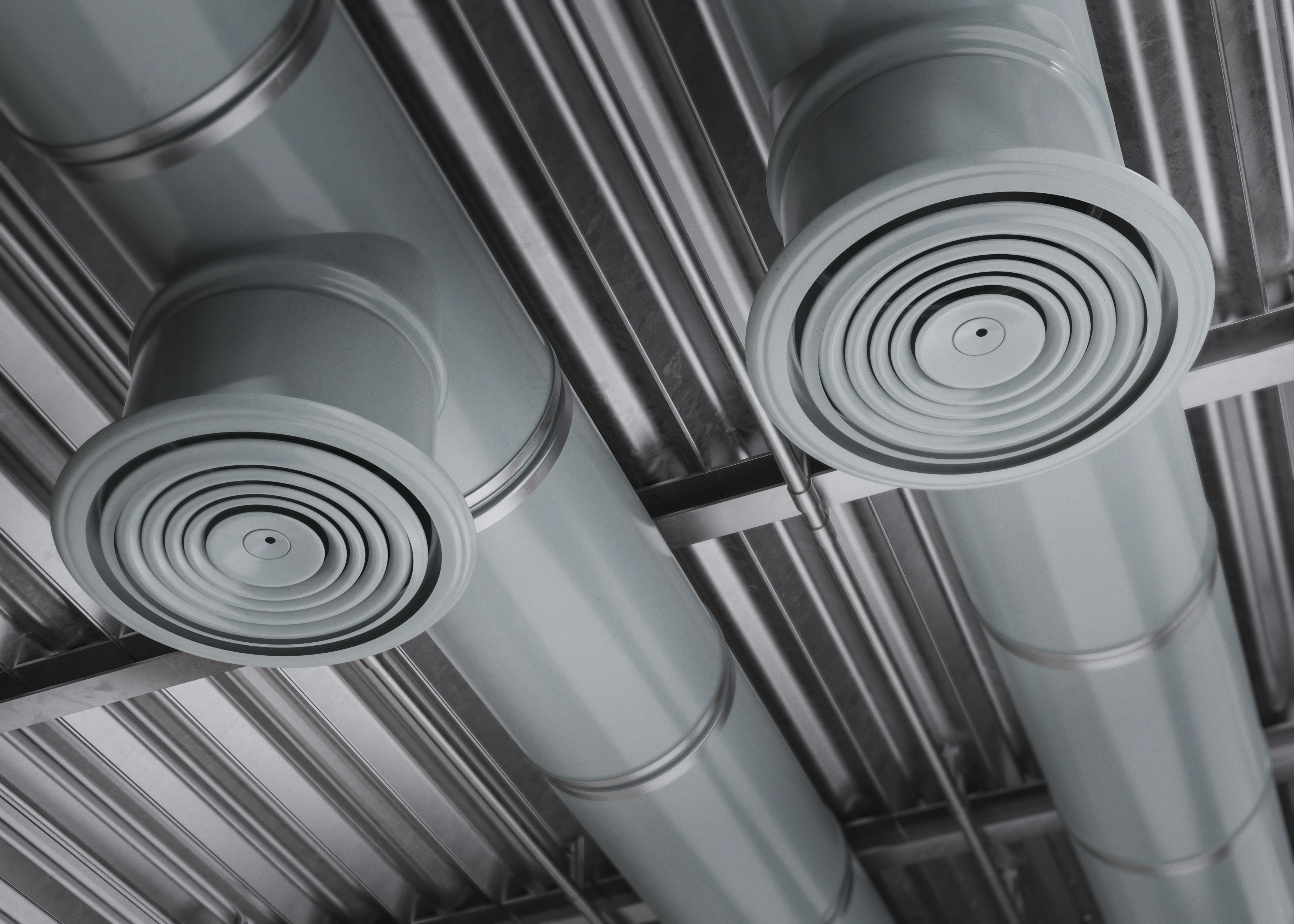
Air Distribution: It is important to distribute the air evenly in each area. This is achieved through air ducts, grilles and fans.

Energy Efficiency: Ventilation systems are important energy consumers in buildings. For this reason, energy efficient solutions come to the forefront during the design phase. Energy recovery systems in particular provide high energy efficiency.

Ease of Maintenance and Cleaning: In the design of the ventilation system, it is also important that the system is accessible for regular maintenance and cleaning. This is necessary for long-term efficiency and preservation of air quality.

Natural Ventilation: These types of systems renew the air in the interior using external air flow. Open spaces such as windows, vents, and chimneys are used. Although natural ventilation saves energy, it may not be sufficient, especially for large structures.

Mechanical Ventilation: In this system, air circulation is provided using electric fans and air ducts. Such systems are usually controlled by a central air handling unit (AHU) and air temperatures, humidity levels, and air flow rates are kept at a certain level.

Exhaust Ventilation: Used to exhaust dirty air from the interior.
Supply Ventilation: Used to bring in clean air from the outside.
Balanced Ventilation: While fresh air is supplied to the interior, dirty air is also discharged to the exterior. These systems are generally the most efficient ventilation solutions.

Zero Energy Ventilation (Heat Recovery Ventilation): These types of systems control air flow and provide energy savings by balancing the temperature and humidity characteristics of the incoming air with the air taken in.