



Kapat
Application Request

Solar Energy Systems

Services

Solar energy is an energy source obtained from sunlight and is one of the most common and cleanest renewable energy sources. The sun provides an endless source of energy and plays an important role in meeting energy demands around the world.

EV Charging Services

Key to a Sustainable Future

Solar energy, which has a minimum environmental impact, has the potential to replace fossil fuels and is indispensable for sustainable energy solutions. In this article, we will examine what solar energy is, how it works, its areas of use, advantages and future.

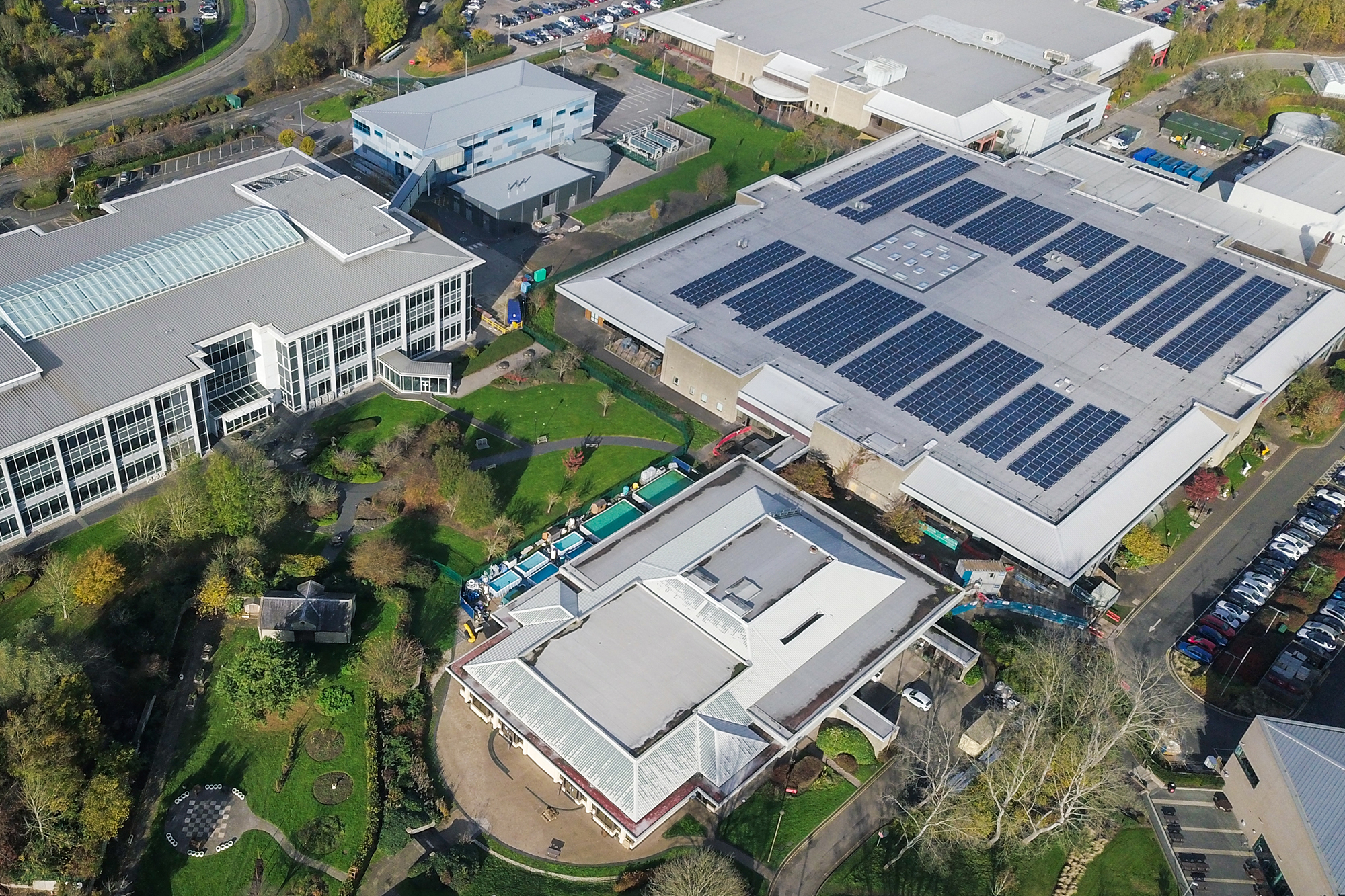
The solar energy sector continues to develop rapidly. Technological advances increase the efficiency of solar panels while also reducing their costs. Storage technologies (especially battery systems) are also advancing rapidly and increasing the continuous availability of solar energy. In addition, innovative solutions for solar energy integration include applications such as the use of solar energy production systems on the roofs or walls of buildings.

Peace of mind with SWTCH Care<sup>TM</sup>

Photovoltaic (PV) Systems: Systems that convert sunlight directly into electricity. Photovoltaic panels absorb photons from sunlight to produce electric current in semiconductor materials in photovoltaic cells. These panels are usually silicon-based and are most commonly used in homes, commercial buildings, and industrial facilities. When sunlight photons hit the cells, free electrons are created in the semiconductor materials in these cells. These free electrons create electric current.

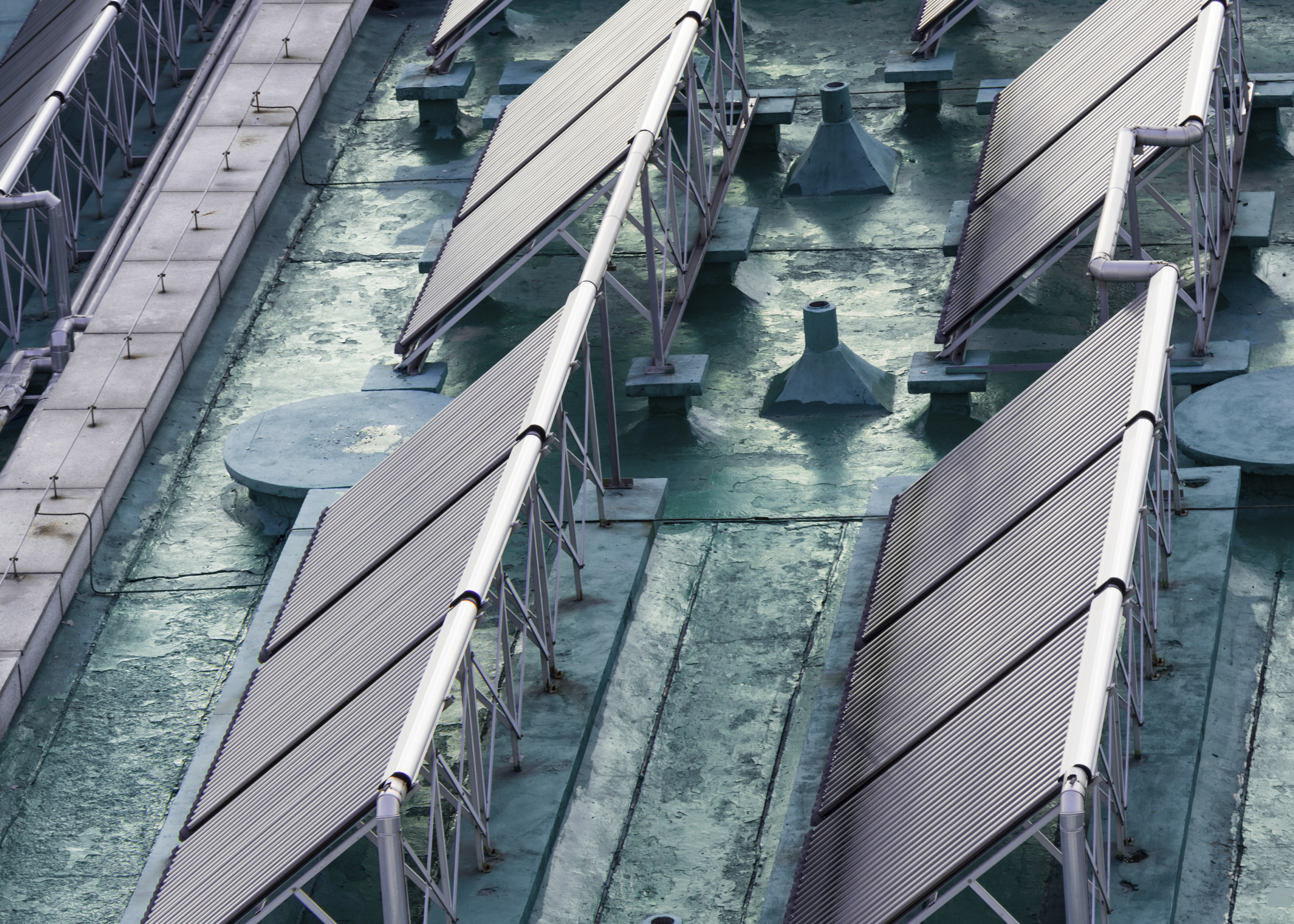
Solar Thermal Systems: Systems that convert sunlight into heat. Solar thermal panels heat a liquid by absorbing sunlight, producing usable heat energy. This heat can be used to heat water, provide hot water, or even generate electricity. Solar thermal systems are used primarily in large-scale power generation and industrial heating processes.

Electricity Generation: The most common use of photovoltaic panels is electricity generation. These panels convert sunlight directly into electricity and provide energy for use in various systems. Electricity can be generated both in individual homes and in large-scale solar power plants.

Hot Water Supply: Solar thermal systems are widely used to meet the hot water needs, especially in homes. Collectors where sunlight is absorbed heat the water to provide hot water to be used in homes. It is also used for process heating in industry.

Temperature Control and Heating: Solar energy can also be used to heat buildings. The air heated by solar energy is transmitted into the building to control the temperature levels of interior spaces. Such systems save energy, especially in cold climate regions.

Agriculture and Irrigation: Solar energy can be used in water pumping systems. In agricultural areas, solar energy is used to operate irrigation systems. This is especially useful in remote areas where there is no electricity grid.

Portable Power Sources: Solar energy can also be used for portable devices. Solar panels provide a practical solution for charging small devices such as phones, laptops, lighting systems. These types of portable solar power systems are especially popular for campers and outdoor activities.

Renewable and Unlimited Resource: Solar energy is an inexhaustible energy source. The sun has the capacity to provide energy to our world every day for millions of years. Therefore, solar energy is a sustainable source to meet the energy needs.

Environmentally Friendly: The use of solar energy minimizes carbon emissions. Unlike fossil fuels, solar energy does not emit greenhouse gases while generating electricity, thus preventing environmental pollution. This is a big step in the fight against global warming and climate change.

Low Operating and Maintenance Costs: The operating costs of solar energy systems are low. Solar panels are generally long-lasting and require little maintenance. This provides cost savings in the long term.

Energy Independence: Solar energy contributes to energy independence. Homeowners and businesses can reduce external dependency and keep energy costs under control by installing their own solar energy systems.

Application in Remote and Rural Areas: In remote areas where the power grid cannot reach, solar energy offers an ideal solution for providing electricity. Solar panels provide a great advantage for people living in rural areas, mountainous areas or offshore islands.

Employment Creation: The solar energy sector creates many new job opportunities in areas such as installation, maintenance, design and production. The renewable energy sector is a rapidly growing and developing field, and therefore offers significant opportunities for economic development.