




Basic Components of Air Conditioning Installations
Heating and Cooling Systems:
Heating: These are systems that increase the ambient temperature during the winter months. The most common heating methods include central heating (natural gas, electric, steam, etc.) and the use of heat pumps.
Cooling: These are systems that cool the environment during the summer months. Solutions such as central cooling systems, air conditioners, cooling towers and heat pump systems are included in this category.
Ventilation Systems: Ventilation is used to provide fresh air indoors, reduce carbon dioxide levels and improve air quality. These systems circulate the air, expel stale air and bring in fresh air. There are two main types: natural ventilation and mechanical ventilation:
Natural Ventilation: Depending on the design of the building, it provides a natural air flow between the outside air and the interior.
Mechanical Ventilation: It is used to expel air and provide fresh air through electric fans or blower systems.
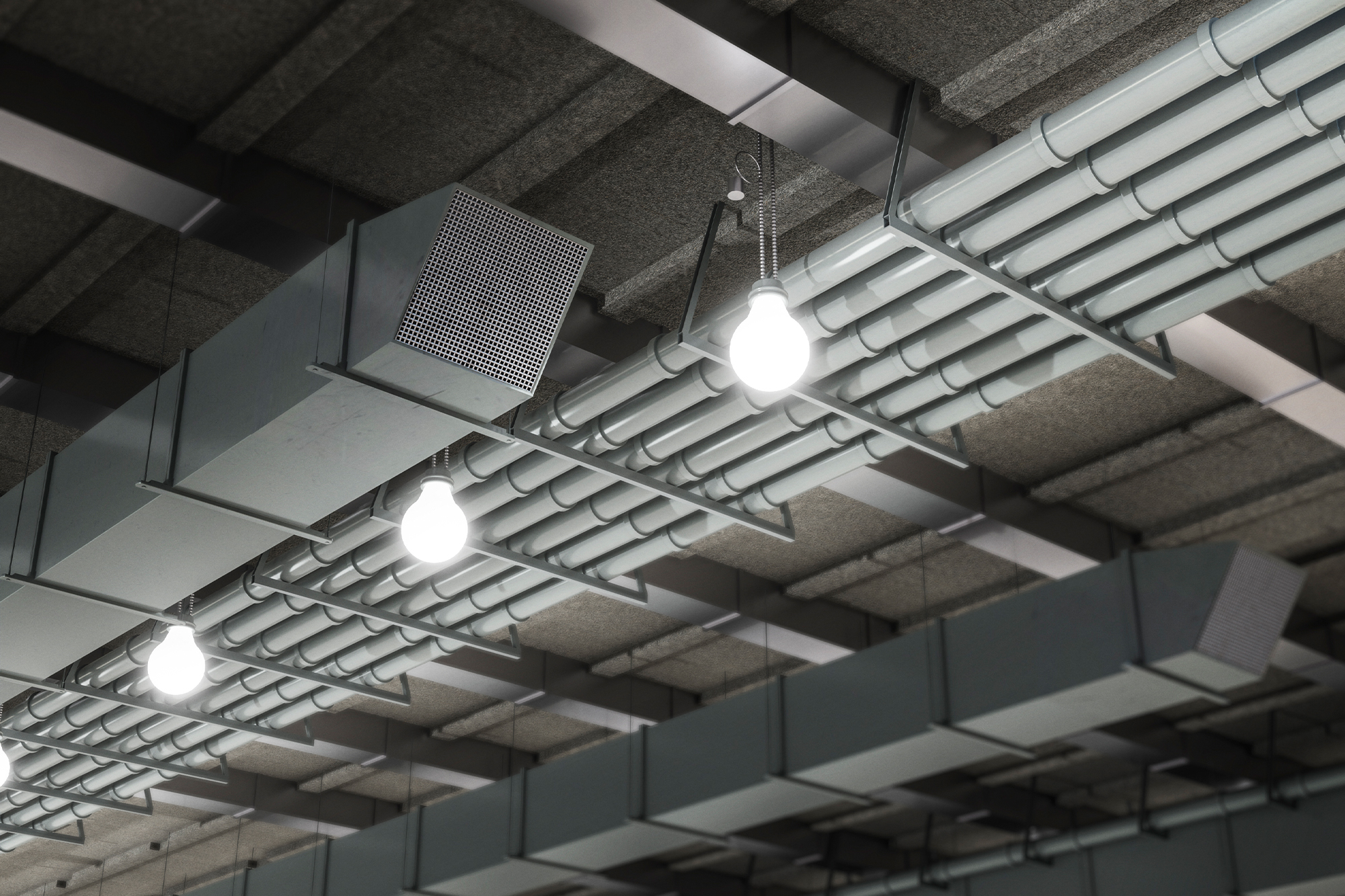
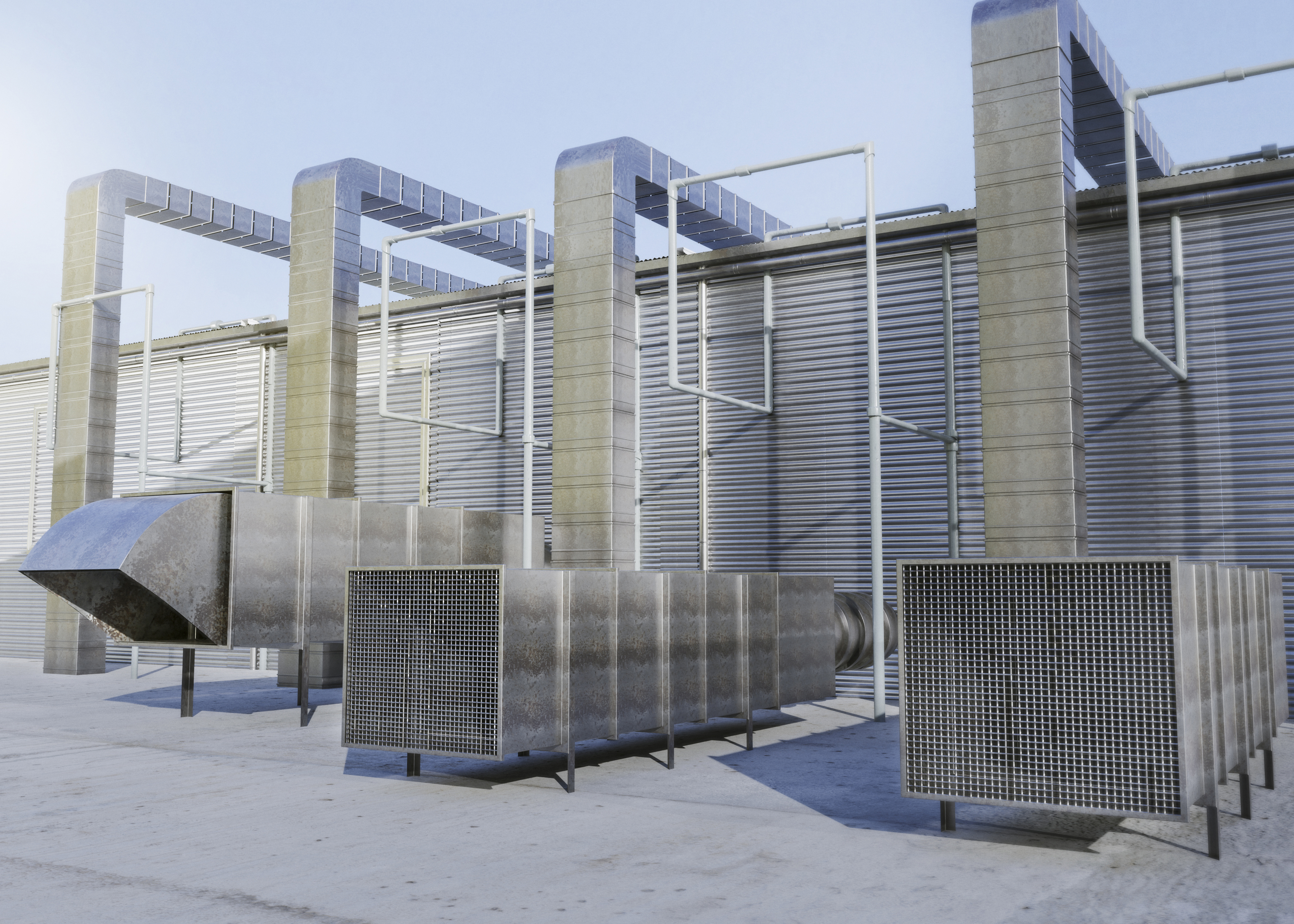
Air Distribution Systems: Air distribution systems consist of ducts that direct and distribute air to specific areas. These ducts are usually made of metal or flexible materials and are placed in a specific directional pattern. These systems provide temperature and air flow homogeneously.
Filtration and Cleaning Systems: Air filtration systems are used to improve air quality. These filters remove dust, dirt, pollen, bacteria and other harmful particles from the air. HEPA (High Efficiency Particulate Air) filters are widely used for industrial and commercial environments.
Heat Recovery Systems: Heat recovery systems take the hot air coming out of one environment and transfer this heat to another area and ensure that energy is reused. These systems are very important for energy saving and are preferred especially in large buildings in terms of efficiency.