



Kapat
Application Request

Sanitary Installations

Services

Sanitary installations are infrastructures that provide water supply, transportation and safe disposal of wastewater in buildings and industrial facilities.

EV Charging Services

Basic Infrastructure of Clean Water and Waste Management

Plumbing is one of the most basic infrastructures of buildings and directly affects the quality of life. Providing clean water, safe disposal of wastewater and water efficiency depend on the proper operation of plumbing. Correct design, quality material selection and regular maintenance are the foundations of a long-lasting and efficient plumbing system.

Plumbing, which both increases comfort and offers environmentally friendly solutions, ensures that living spaces can be used safely and healthily.

Peace of mind with SWTCH Care<sup>TM</sup>

Water Supply System: This system provides the delivery of drinking water and other water needs into the building. The main components used in the water supply system are as follows:

Main Water Inlet: The point where water from the city network or a private water source enters the building.

Water Meter: Used to measure the amount of water entering the building. The water meter allows water consumption to be monitored and billed correctly.

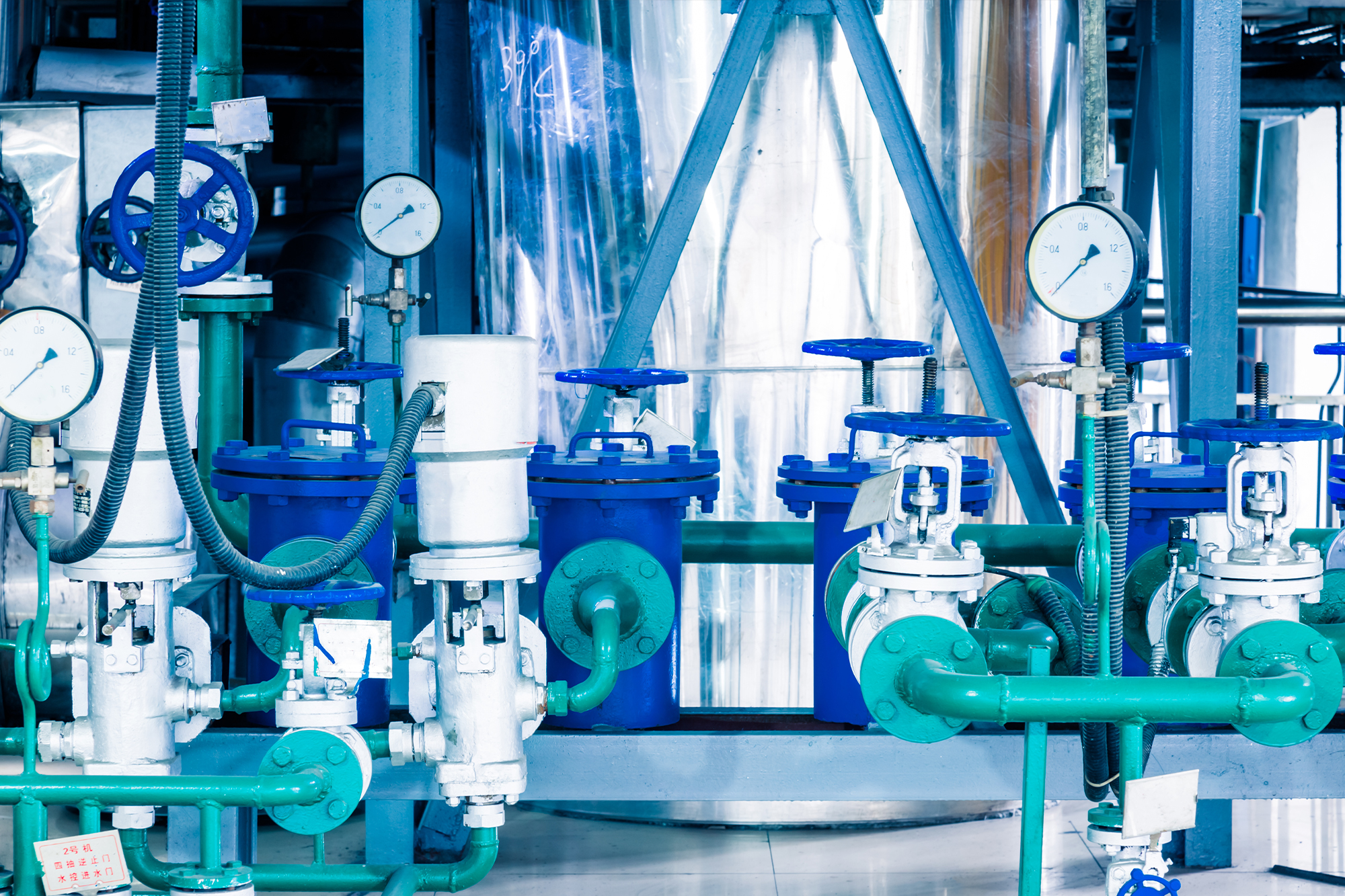
Water Pipes and Valves: Water is delivered to various areas within the building through pipes. Water pipes are usually made of PVC, copper or steel materials. In addition, various valves are used to cut or turn on the water.

Waste Water System: Waste water carries the dirty water (sink, toilet, shower, kitchen, etc.) coming out of the building. The healthy operation of the waste water system is very important in maintaining hygienic environments. The components of this system:

Waste Water Pipes: These are the pipes that carry dirty water out of the building. These pipes are usually made of PVC or concrete materials.

Toilet Connections and Siphons: These are equipment that allows waste to be quickly transferred to the sewer in homes and workplaces.

Rainwater Drainage System: It ensures that rainwater is collected from the roof and exterior surfaces of buildings and disposed of appropriately.

Hot Water System: Hot water supply is very important for comfortable living in buildings. The main components used in this system are:

Water Heaters (Water Heater, Combi Boiler, Central Heating Systems): Water heaters are devices that bring water to a certain temperature. Central heating systems are used to distribute hot water throughout the entire building.

Hot Water Pipes: These are pipes that allow hot water to be carried from the heater to various areas.

Ventilation and Odor Protection Systems: Ventilation systems are used to balance the air pressure in wastewater pipes and prevent bad odors from spreading to interior spaces. These systems are usually carried out through ventilation pipes placed on building roofs.

Purification and Filtration Systems: Water purification systems can be used to improve the quality of drinking water. These systems use various filtering methods to remove pollutants and harmful substances from water. Purification devices are used especially to ensure that water is healthy and clean.

Water Consumption and Need Analysis: Each area within the building has a different water need. Areas such as kitchens, bathrooms, and toilets are areas where water is used in different amounts. During the design phase, the amount of water and pressure required for each point of use are calculated. In addition, an appropriate hot water capacity must be calculated to meet the hot water demand.

Compliance with Local Regulations: Plumbing projects must be carried out in accordance with local regulations and health standards. This is necessary for the hygienic transportation of water and the safe disposal of wastewater. In addition, there are issues to be considered in the design to prevent water waste and ensure energy efficiency.

System Integration and Sewerage Connections: Plumbing systems must work in harmony with other infrastructure systems (electricity, gas, heating). Therefore, the wastewater system must be correctly connected to the sewage network and the water supply system must be properly integrated with the city network.

Equipment Selection: Equipment such as pipes, valves, taps, purifiers affect the durability and efficiency of the installation. Choosing these equipment from quality and long-lasting materials ensures that the installation works smoothly.

Cleanliness and Hygiene: Sanitary installations ensure a hygienic environment in buildings. Providing clean water and safely removing dirty water are essential for the healthy use of buildings.

Water Efficiency and Savings: Water is a limited resource and must be used correctly. Modern sanitary installation systems are equipped with technologies that allow efficient use of water. Water-saving faucets, low-flow shower heads and water recovery systems prevent water waste.

Health and Safety: The spread of dirty water into a building can cause health problems. Sanitary installations are vital for a healthy living space. In addition, a properly designed wastewater system prevents bad odors and sewage problems.

Environmentally Friendly Solutions: Designing sanitary installations in an environmentally friendly manner contributes to the protection of water resources. Innovative water treatment systems and water recovery technologies reduce environmental impact.