



Kapat
Application Request

Fire Installations

Services

Fire systems are one of the most important security infrastructures of any industrial or commercial facility. These systems protect life and property by ensuring rapid and effective intervention in the event of a fire.

EV Charging Services

Basic Infrastructure of Security

With the increasing industrial activities and population density, fire safety has become more important. Every stage from the design to the installation of fire installations aims to maximize safety and efficiency. In this article, the basic components of fire installations, their functions, design and installation process and their importance will be discussed.

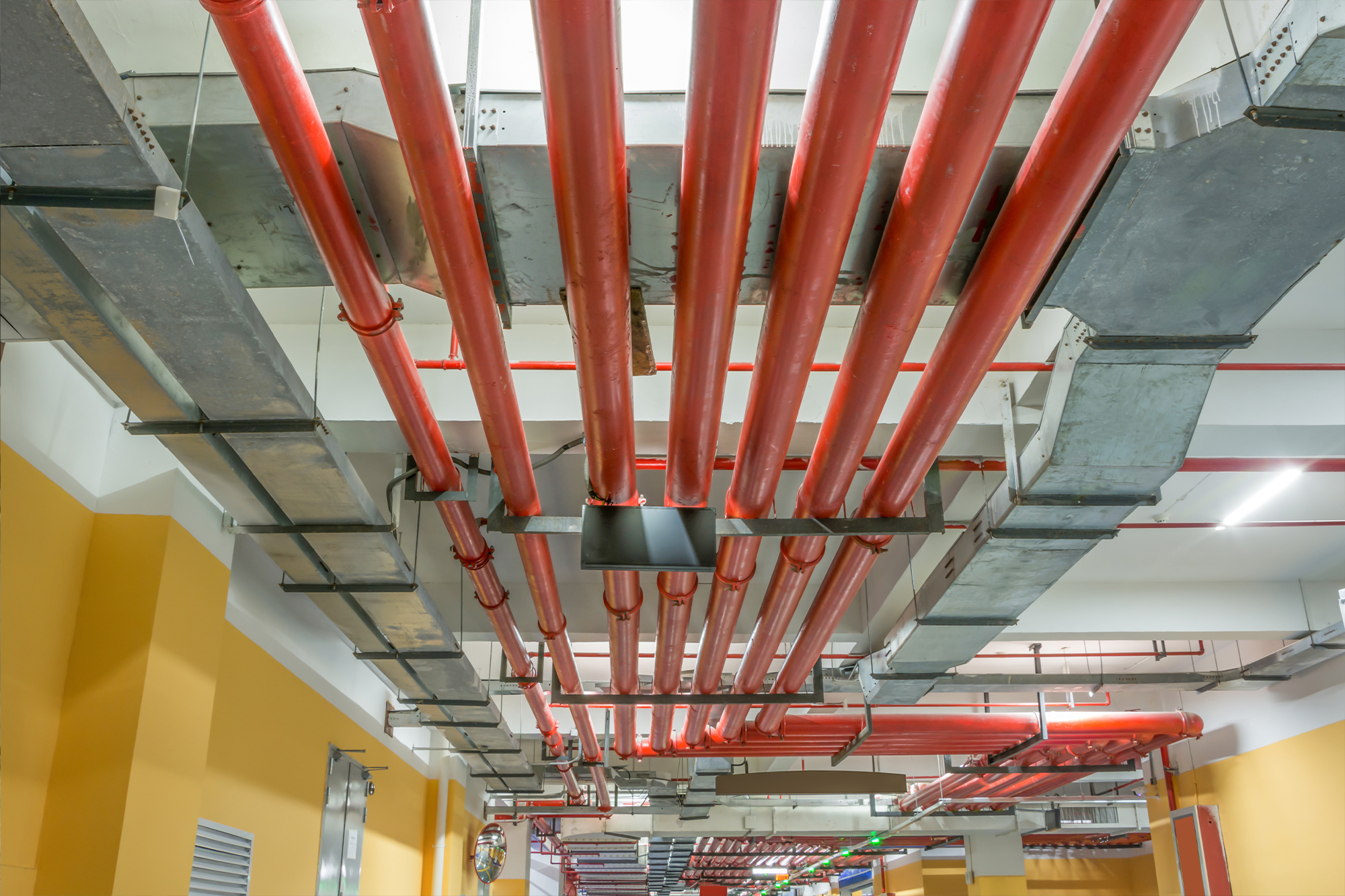
Fire installations consist of a series of components that provide protection against fire in a facility. These components are aimed at preventing the fire from growing and minimizing the loss of life and property during a fire.

Peace of mind with SWTCH Care<sup>TM</sup>

Fire Sprinkler Systems: Fire sprinkler systems are automatically activated in the early stages of a fire and spray water through water-resistant heads to prevent the spread of the fire. These systems provide an effective solution for firefighting in large areas.

Fire Hoses and Connection Equipment: Fire hoses are used for rapid intervention during a fire. In every business, fire hoses must be easily accessible and positioned in the right places. Hoses are usually stored in fire cabinets.

Fire Alarm Systems: Fire alarm systems enable fire detection and activation of early warning systems. Smoke detectors, heat sensors and fire detection devices provide instant warning in the event of a fire.

Fire Panels and Control Systems: Fire panels are central areas where fire safety equipment is controlled and emergencies are managed. Fire alarm systems, sprinklers and other fire safety equipment can be monitored and controlled via these panels.

Fire Extinguishers: Hand-held fire extinguishers are used to combat small-scale fires. They are usually located at strategic points in different parts of the facility. Portable fire extinguishers provide rapid response for emergencies.

Emergency Exit Routes and Warning Systems: Emergency exit routes and warning systems are critical for the safe evacuation of people during a fire. Emergency lighting, signs and guidance systems prevent confusion in the event of a fire and ensure safe evacuation.

Structural Features and Fire Load Analysis: In the design of fire installations, factors such as the structural features of the facility, the materials used, the fire load (the amount of fuel that can be consumed during a fire) and the building layout are taken into consideration. These analyses ensure that the fire system is designed with the appropriate capacity.

Fire Risk Assessment: Each facility has a different fire risk. This risk varies depending on the area of ​​activity of the facility, the materials used, the density of personnel and many other factors. Fire risk assessment is important to determine which fire safety equipment is required.

Compliance with Local Regulations and Standards: In the design of fire installations, compliance with local fire safety regulations and international standards is of great importance. Each country and region has its own regulations regarding fire safety. These standards not only ensure the safety of the facility, but also ensure that a possible inspection will pass without any problems.

System Integration: Fire installations usually work integrated with other security systems (building automation, security cameras, lighting systems, etc.). Therefore, it must be ensured that the fire safety system works in harmony with other infrastructures.

Life and Property Safety: Fire systems are critical for safely evacuating people inside a facility and effectively extinguishing the fire. Early intervention can reduce loss of life and property.

Legal Obligations and Regulations: Many countries have specific fire safety regulations for industrial facilities. The installation and maintenance of fire systems must comply with these legal obligations. In addition, high fines and even criminal penalties can be applied due to fire safety deficiencies.

Business Continuity: Fire can mean major disruption for businesses. Proper operation of fire systems enables rapid intervention in the event of a fire, thus helping to ensure business continuity.

Insurance Policies: The presence of fire systems is also critical for the insurance policies of businesses. Insurance companies may offer more favorable policy terms to businesses that have taken fire safety measures.